From Crafting to Conquest: The Evolution of Open World Building Games
Open world games have come a long way since their inception. No longer limited to simple mechanics, these games have evolved into vast, immersive worlds offering players the chance to build, explore, and conquer. In this article, we delve into the transformation of open world building games, focusing on their narrative development, technological advancements, and the exciting experiences they offer, especially on platforms like Xbox.
The Birth of Open World Games
Initially, open world games were mere pixelated environments where players could roam freely. Titles like Grand Theft Auto pioneered the concept by allowing players to navigate urban landscapes. But it wasn't until the introduction of sophisticated game engines that the genre truly began to flourish. Players are no longer confined to linear paths; they can carve their unique destinies.
The Rise of Building Mechanics
In the early 2010s, the introduction of games with heavy building mechanics shifted the landscape. Minecraft is a prime example. Its simple yet addictive gameplay encourages creativity, allowing players to construct anything from quaint houses to colossal castles. The game's success sparked a trend, influencing many other titles like Fortnite and Terraria.
- Minecraft: Crafting and exploring.
- Fortnite: Building towers in battle royale.
- Terraria: A 2D adventure with extensive building features.
Technological Innovations and Their Impact
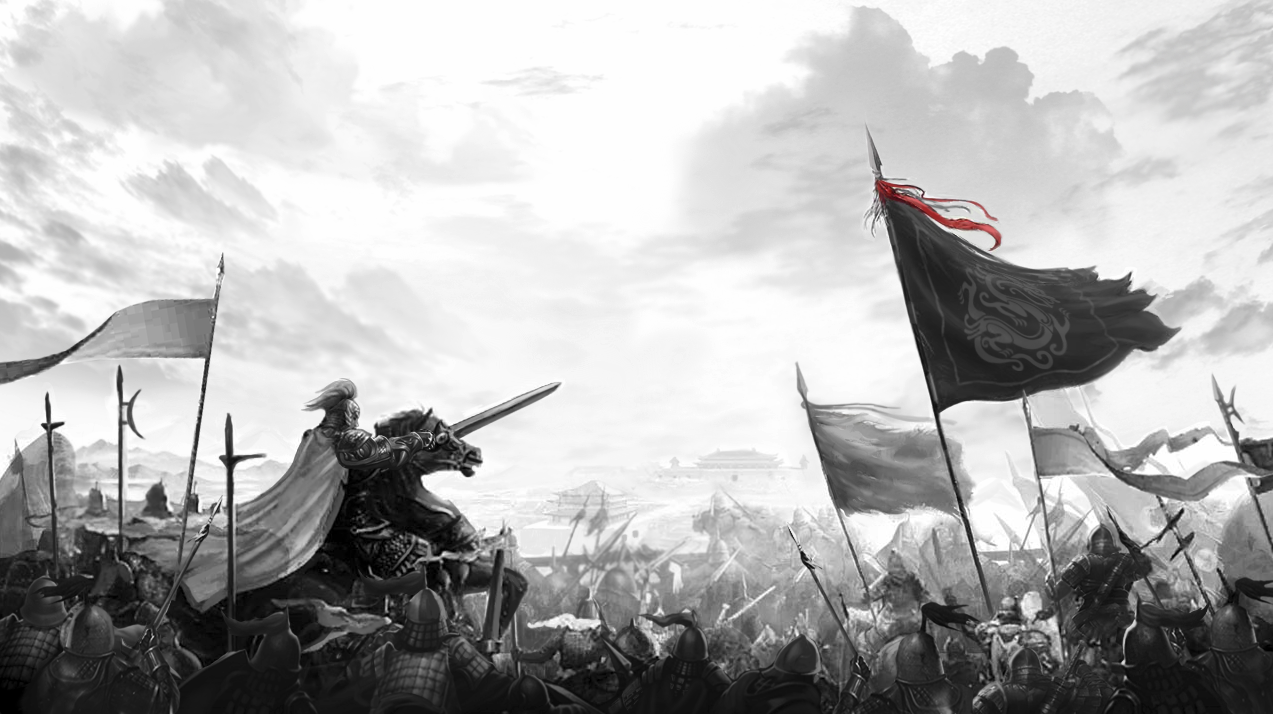
Technological advancements have significantly enriched the open world genre. With the advent of powerful consoles such as the Xbox Series X, game developers can now create detailed environments with realistic physics and lighting effects. Enhanced graphics allow players to immerse themselves in beautifully crafted worlds.
| Feature | Impact on Gameplay |
|---|---|
| Graphics | Realistic environments enhance immersion. |
| Physics Engines | Promote dynamic interactions with the environment. |
| Multiplayer Capabilities | Enables collaborative building experiences. |
The Role of Story in Building Games
As players sought more depth, the narrative aspects of building games began to evolve. Developers began incorporating intricate storylines into these open worlds. Games like Fallout 4 and The Legend of Zelda: Breath of the Wild intertwine compelling narratives with exploration and construction, ensuring players feel invested in their worlds.
What’s Next for Open World Building Games?
The future of open world building games looks promising. As we transition into the age of next-gen consoles, we can expect more **immersive experiences**. Features like procedural content generation and artificial intelligence might lead to even more dynamic and realistic worlds. Moreover, the addition of augmented reality (AR) could bridge the gap between the digital and physical realms, creating limitless opportunities for creativity.
Popular Story Mode Games on Xbox
Many players are turning to Xbox for engaging open world story mode experiences. Here’s a quick list of some of the most popular story mode games currently available:
- Red Dead Redemption 2: An epic tale of life in America’s unforgiving heartland.
- The Witcher 3: Wild Hunt: A stunning open world brimming with rich narratives.
- Assassin's Creed Valhalla: Explore the world of Vikings with an intricate storyline.
- Forza Horizon 4: Race and explore a beautiful rendition of Great Britain.
- Gears 5: A gripping story set in a broad universe.
Conclusion: A Future Without Limits
Open world building games have transformed from simple crafting experiences to complex, narrative-rich universes. As technology advances, so does the potential for even more immersive and interactive gameplay. The combination of expansive worlds, creative freedom, and engaging stories paves the way for a gaming future full of endless exploration and conquest. Whether you're constructing your dream home in Minecraft or navigating intricate storylines in major titles, the evolution of this genre signifies a remarkable era in gaming.